A small revolt
against bloated software.
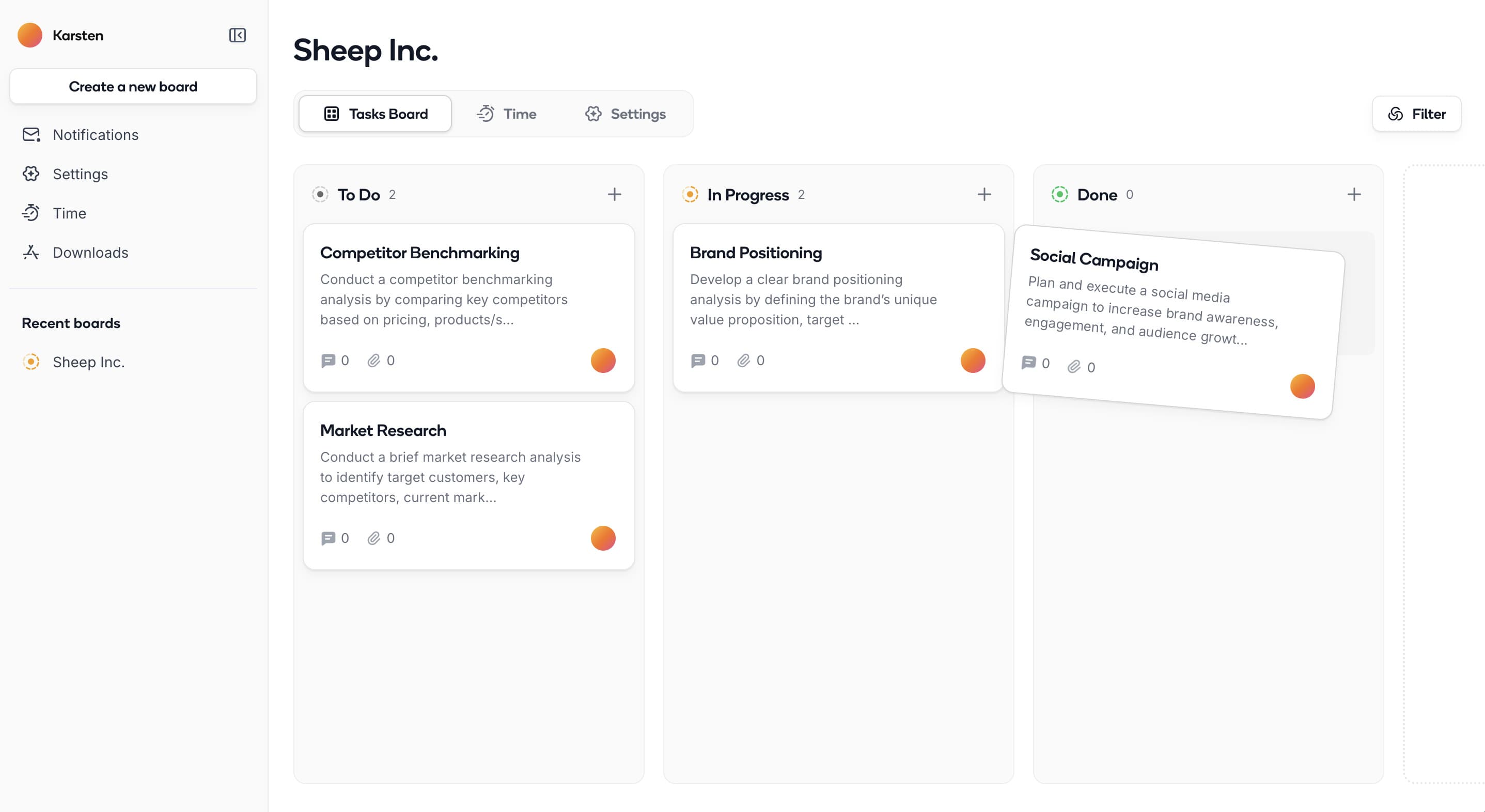
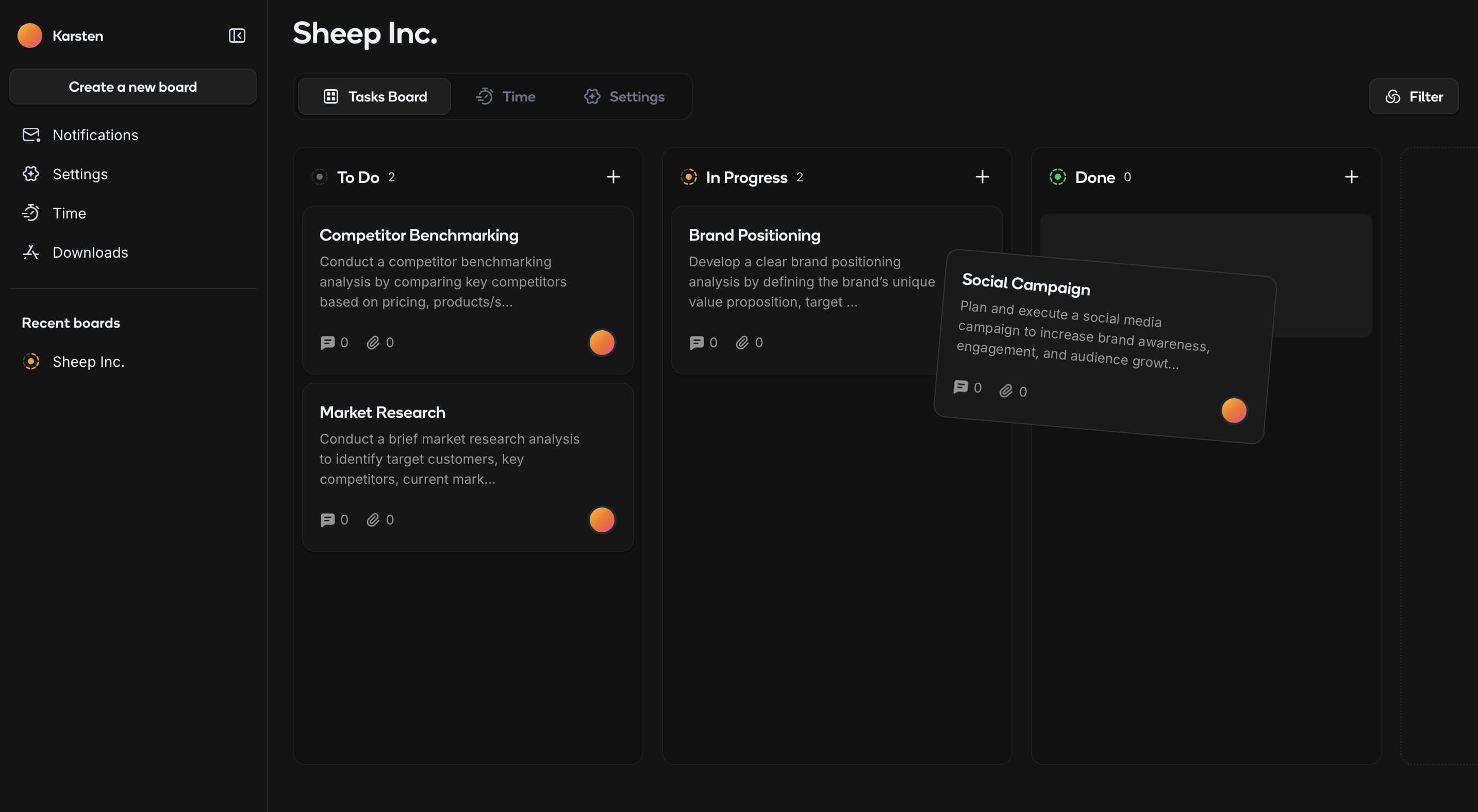
Frello is what Trello used to be — reduced, opinionated, and built to move work forward. It's free. Forever.
- 01
Frello moves work forward — it's not
another dashboard to maintain. - 02
Frello is free. Forever. No seats. No "Standard / Premium / Enterprise". Free means free.
- 03
A Frello board is not a report. If your tool is reporting up, it's not helping down — Frello helps down.
- 04
Frello deletes more than it ships. Less is the feature. Calm software, on purpose.
- 05
If you want workflows, automations and 40-person
enterprise readiness— Frello is not for you. And that's fine.
people who stopped managing software and started moving.

Built by one person.
Free for everyone.
I hate productivity tools. Not in a cute, ironic way. I mean I genuinely hate how they look, how they feel, and what they've turned into.
They're bloated. They're ugly. And they're built for reporting, not for work.
Before Atlassian bought Trello, it wasn't pretty — but it was reduced. It did one thing. And it didn't pretend to be enterprise-ready. Since then, everything seems optimized for big organizations that confuse visibility with progress. More workflows. More dashboards. More pricing tiers. Less clarity.
At some point, I wasn't moving projects forward anymore.
I was managing software. That's when I stopped looking for a better tool — and started building one.
Productivity doesn't need frameworks. It needs space.
It needs restraint. Most tools fail at that because they're afraid to say no. I didn't build this for enterprises. I didn't build it for managers. And I definitely didn't build it to scale pricing per seat.
I built it for people who actually do the work — designers, developers, small teams — who want a calm place to think and move things forward.
Built-in time tracking. Free forever. No add-on, no upgrade, no per-seat math.
Reduced to what matters. Why it's free?
Because focus isn't a luxury.
Because simplicity doesn't need monetization gymnastics.
And because collaboration shouldn't get more expensive the moment it starts working. If you're happy managing tools, this isn't for you.
If you miss software that gets out of the way — welcome.